
Home / Why us / Sustainability
The greenest kitchen is the one nobody replaces.
Most of what a kitchen costs the planet is decided before it is fitted: where the furniture was made, how it was made, and how long it lasts before somebody rips it out.
Longevity is the part we control.
A kitchen thrown away after eight years has spent its whole carbon budget twice over by the time the second one is fitted. A kitchen still working properly at twenty-five has not. That is why the same points come up throughout this site — a designer who stays with the project, our own fitters, doors and worktops chosen for how they wear rather than how they photograph, and aftercare that means a hinge gets adjusted instead of a door getting replaced.
Stoneham put it better than we could in their own brochure: the sheer longevity of the furniture “means it will surpass whims of fashion and premature obsolescence. This alone is a most important statement in carbon footprint reduction.”
One of our first customers came back thirty years later to have their kitchen modified. It needed new worktops and retiling; the furniture was still perfect. That is the standard we design to, and it is worth more than any single claim on this page.
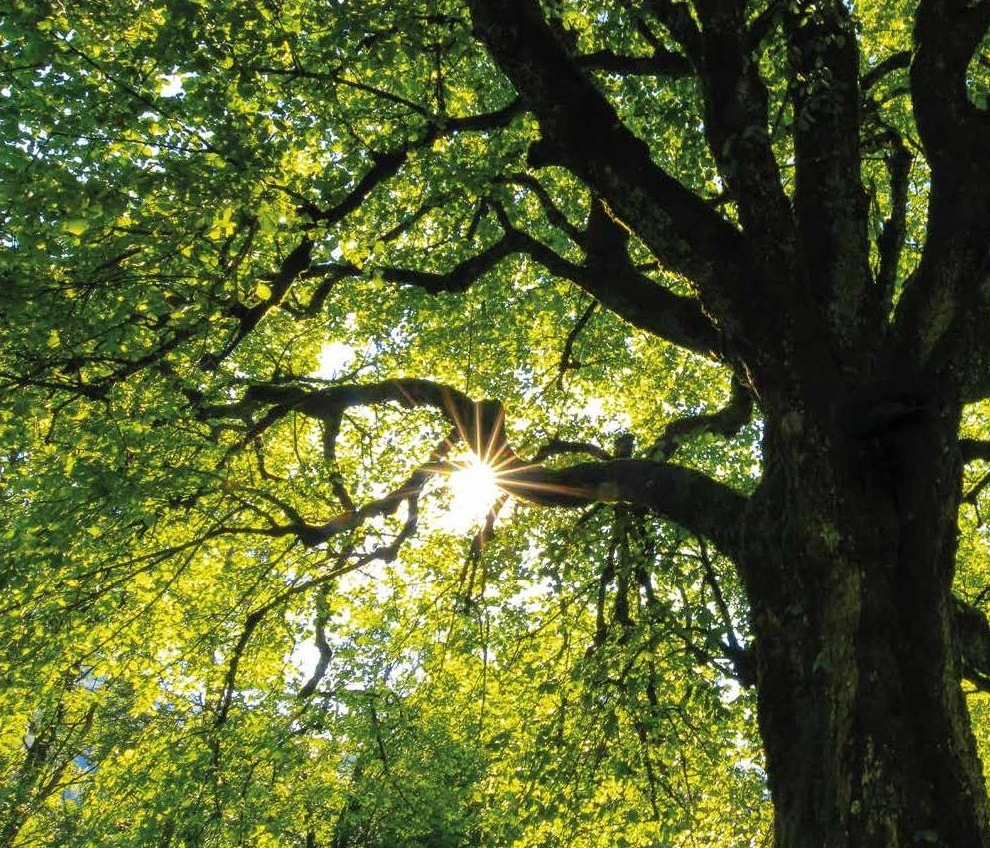
Wood, from suppliers who can show where it came from.
Stoneham will only source materials from suppliers operating ethically within the laws of their countries, and they ask those suppliers for proof: evidence of good forest management, information on where wood products originate, and a record of continuous improvement in environmental performance.
Their own argument for timber is a simple one — properly sourced, wood is the ultimate sustainable and recyclable material, thermally efficient in use and needing little energy to process in the first place.
On transport, energy use, filtration plant and waste disposal, the stated aim is to go significantly further than legal minimums rather than to meet them. They are members of the Furniture Industry Sustainability Programme and the British Furniture Association, and are certified under the BFM health and safety scheme recognised by the Association of British Insurers.
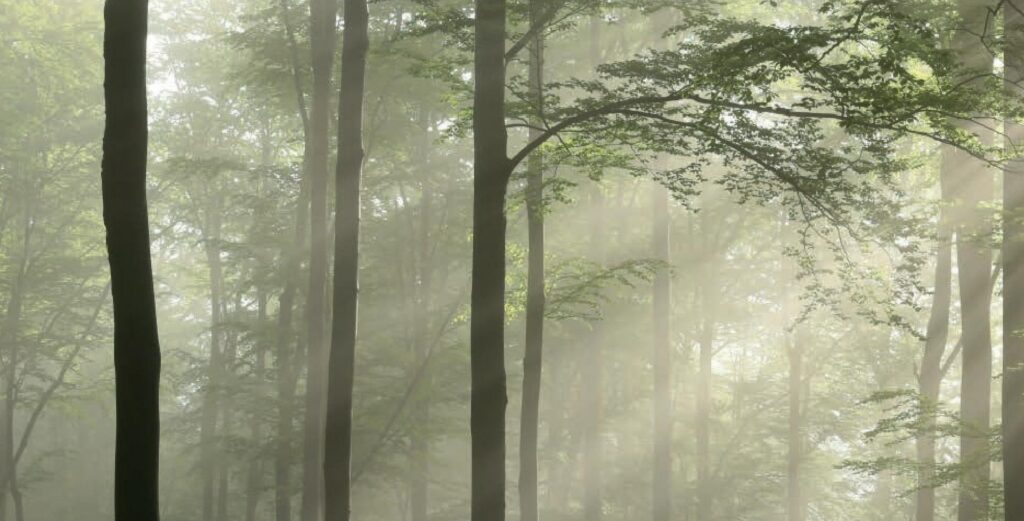
A climate-neutral factory, and one place to ship from.
Sachsenküchen describe themselves as a certified climate-neutral furniture manufacturer, and treat that as a starting point rather than a finish: “sustainability is not a trend, but an attitude.”
Everything is built at Obercarsdorf near Dresden — one site in the Erzgebirge rather than a supply chain assembled across several countries. Furniture is made against orders rather than to stock, so avoiding overproduction is the first material saved, before efficiency of any other kind applies.
Six measures Sachsenküchen publish.
No overproduction
Made to order rather than for stock — the first of the measures they publish, and the one that saves material before any of the others apply.
Energy and heating
Environmentally friendly heating, electricity from renewable sources and energy-saving LED lighting across the plant.
Efficient machinery
Continuing investment in leading-edge, efficient production technology, alongside training that keeps digital and hand skills together.
Emissions well inside E1
The materials in their kitchens sit well below the permitted limits of emission class E1 under DIN 68762, the German standard for boards used in living space.
Packaging taken back
Transport packaging is covered by a disposal contract with RKT, so it is recovered and reprocessed rather than left as the customer’s problem.
Eco-friendly logistics
One production site and their own delivery arrangements, rather than furniture accumulating road miles between subcontractors.
And two trees for every kitchen we finish.
We have partnered with More:Trees. For every completed kitchen, two trees are planted at their project in Kent — not a certificate, a payment into a fund, or an offset bought against something already burned, but two trees put in the ground on a named site you can go and look at. The photograph at the top of this page is that site.
Two trees per kitchen is intended to put back considerably more timber than a kitchen contains, and to go on drawing carbon down for decades after ours has been fitted. Trees are slow, which is the point: the kitchen is finished in a few weeks and the woodland is still working in fifty years.
The location is a happy coincidence. It sits just off the Dartford Crossing — a few miles from Powerscroft Road in Sidcup, where Stoneham have been building kitchens since 1864. Genuinely a stone’s throw from Stoneham, which is either very appropriate or a very good pun, depending on how charitable you are feeling.
Dartford, Kent — planted with Time4Trees.
2
trees planted for every completed kitchen
7+
native species, from oak and beech to wild service tree
10
year maintenance programme, with GPS tracking of tree health
Oct–May
planting season, worked alongside local parish councils
The site is reclaimed land beside one of the busiest roads in the country, where traffic emissions are among the highest in Britain, which makes it one of the more useful places to put a tree. The woodland is accredited under the Woodland Carbon Code. Details at moretrees.eco/projects/uk-kent.